

Insulation Services
Insulation Services
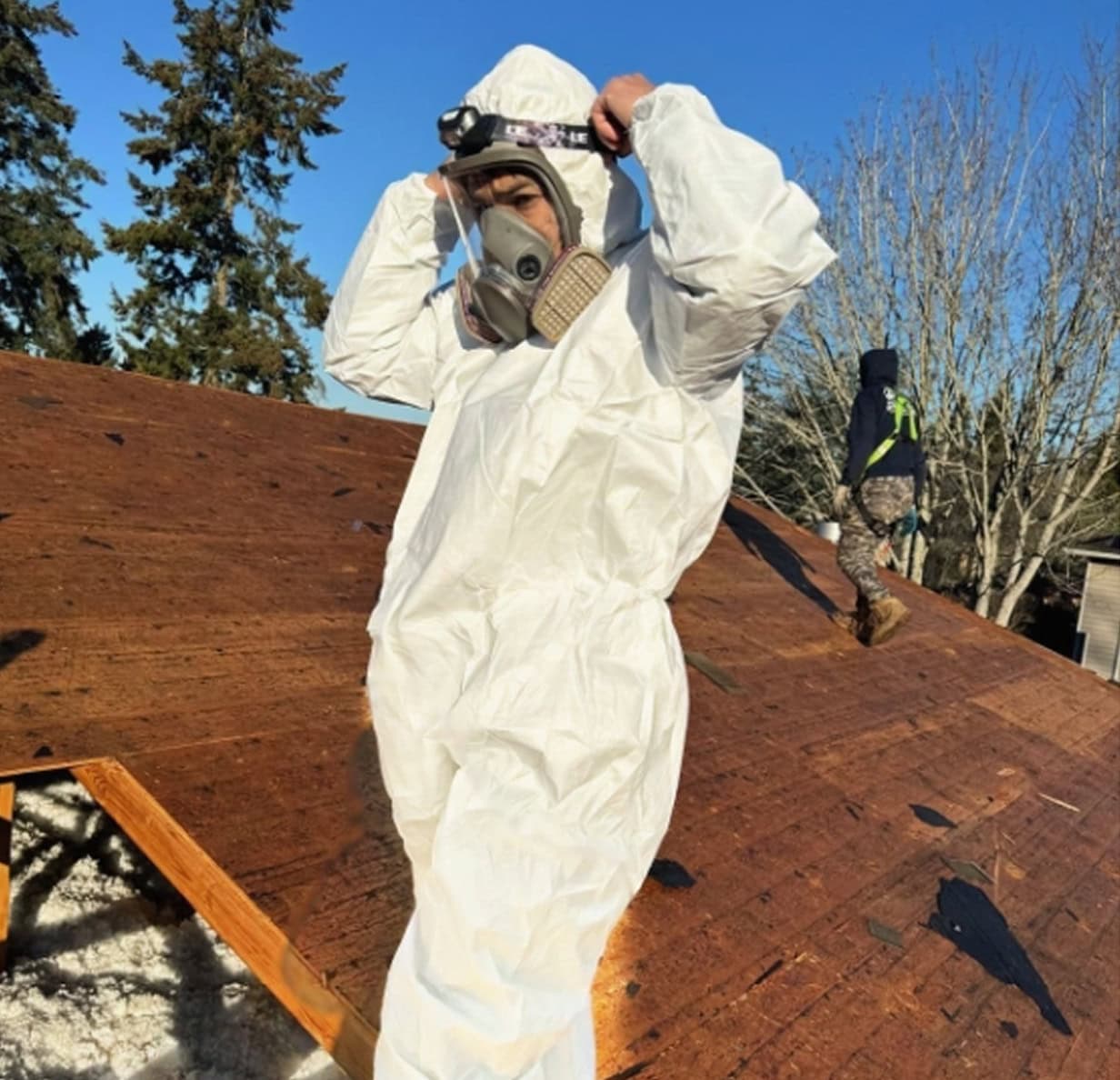
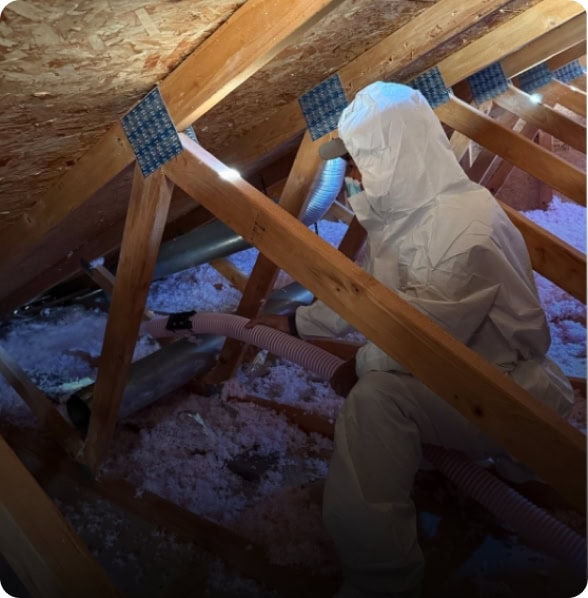
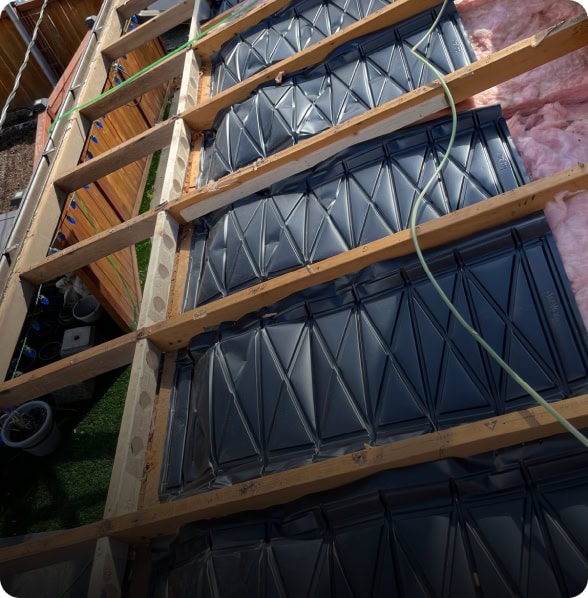
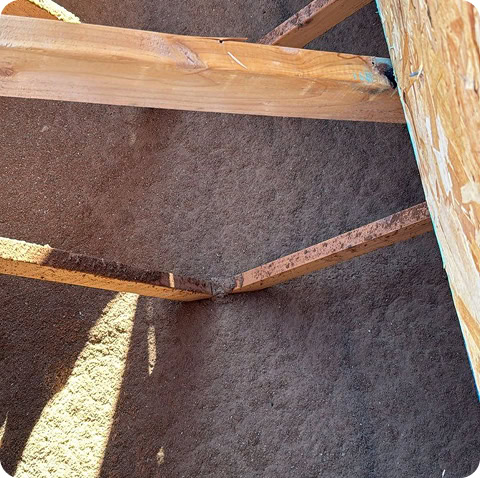
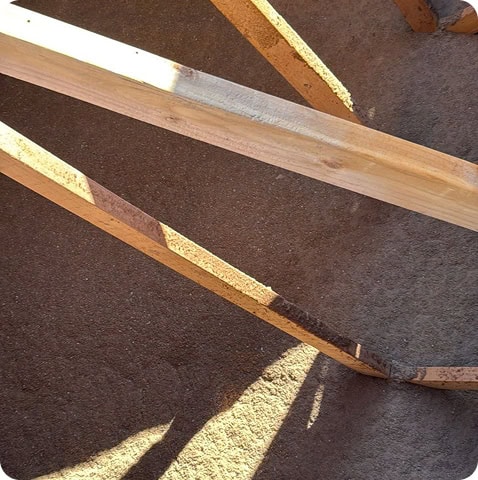
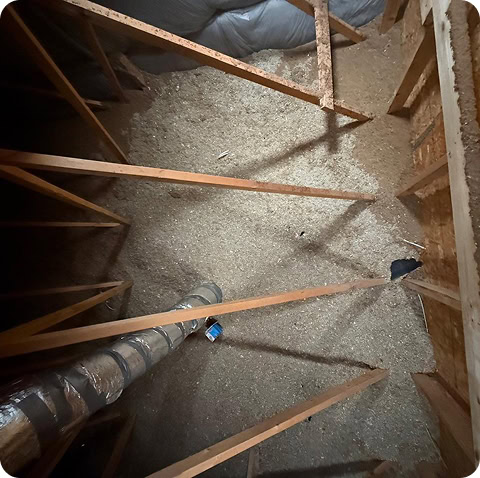
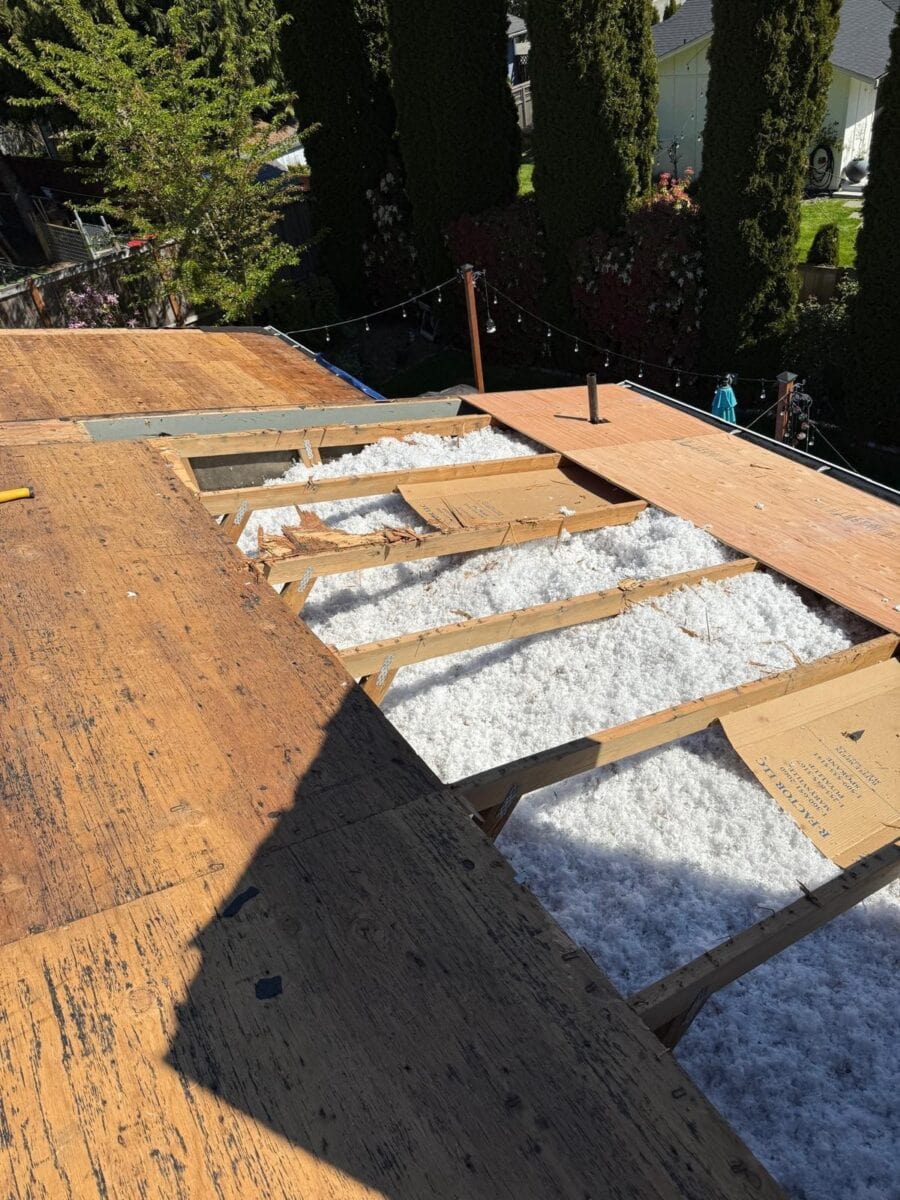
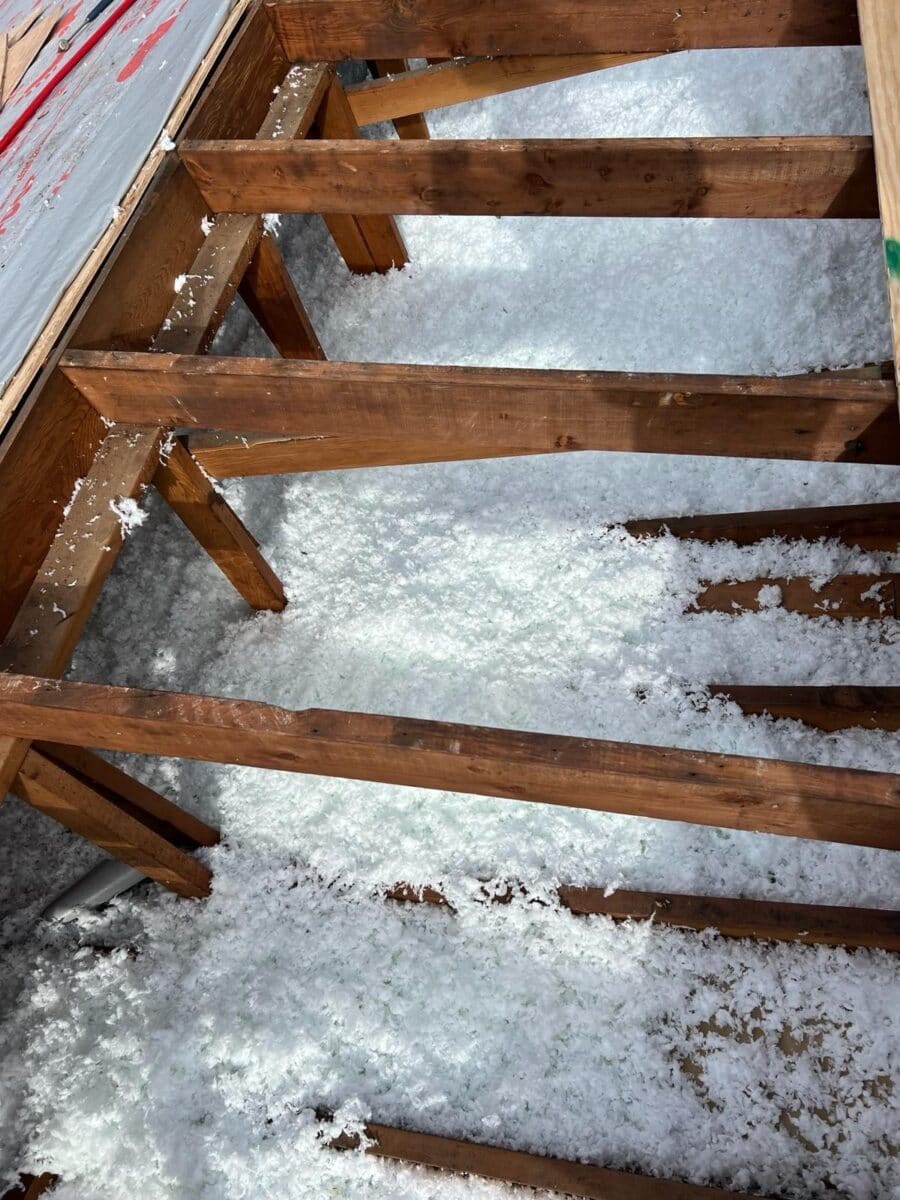
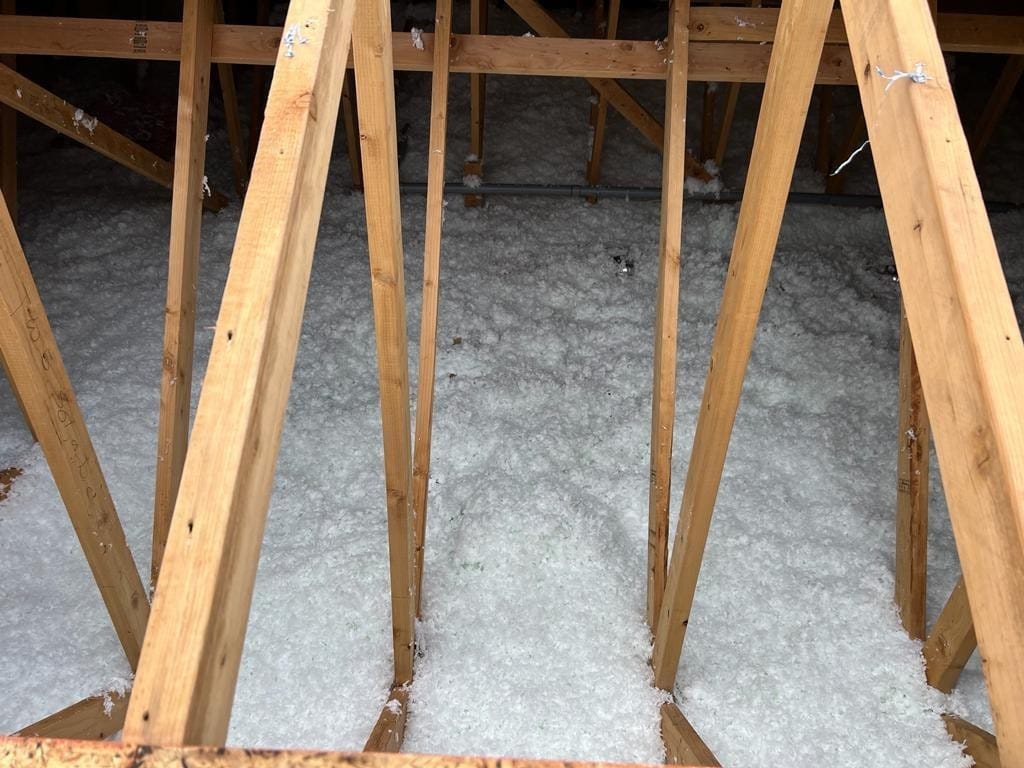
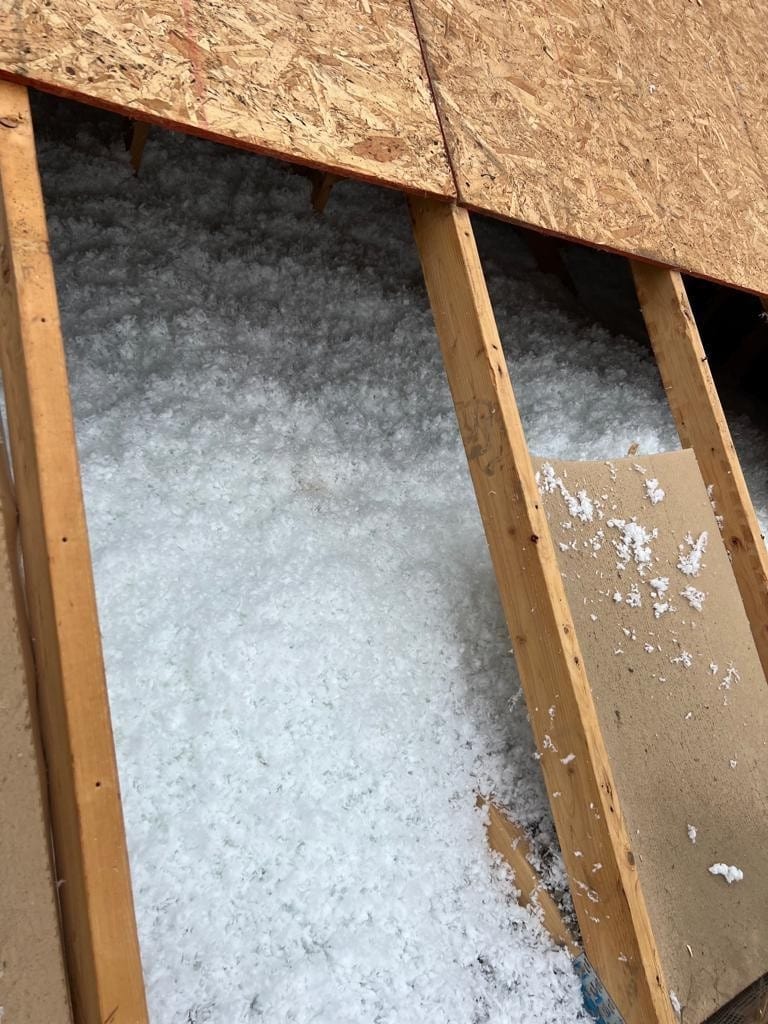
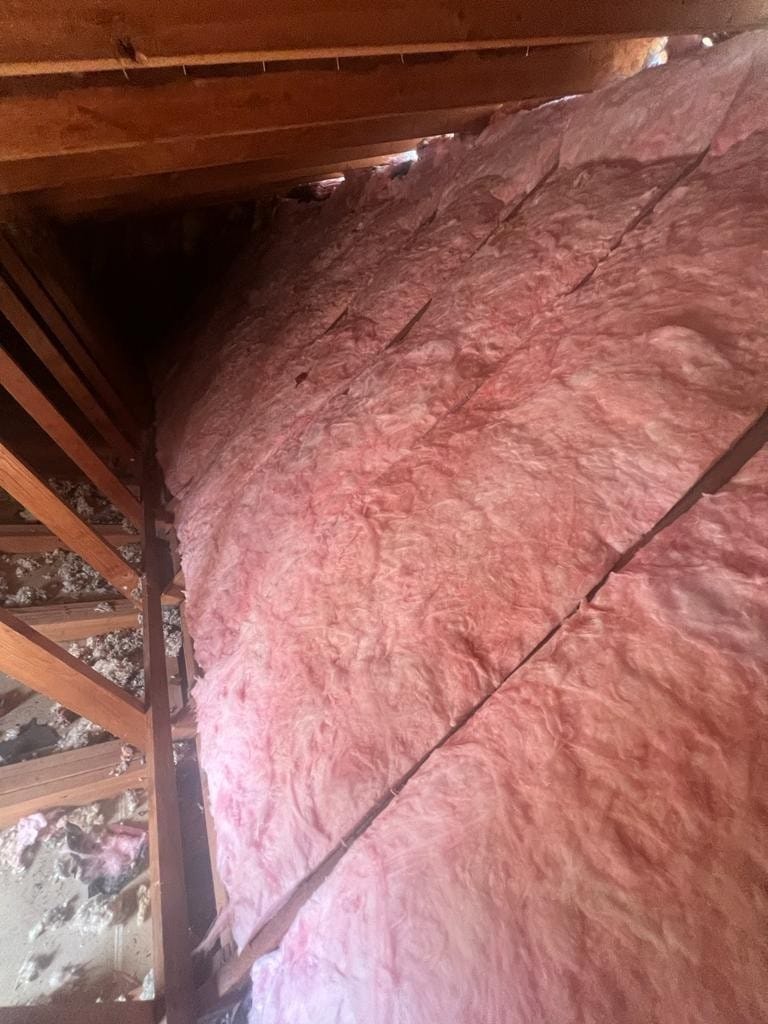
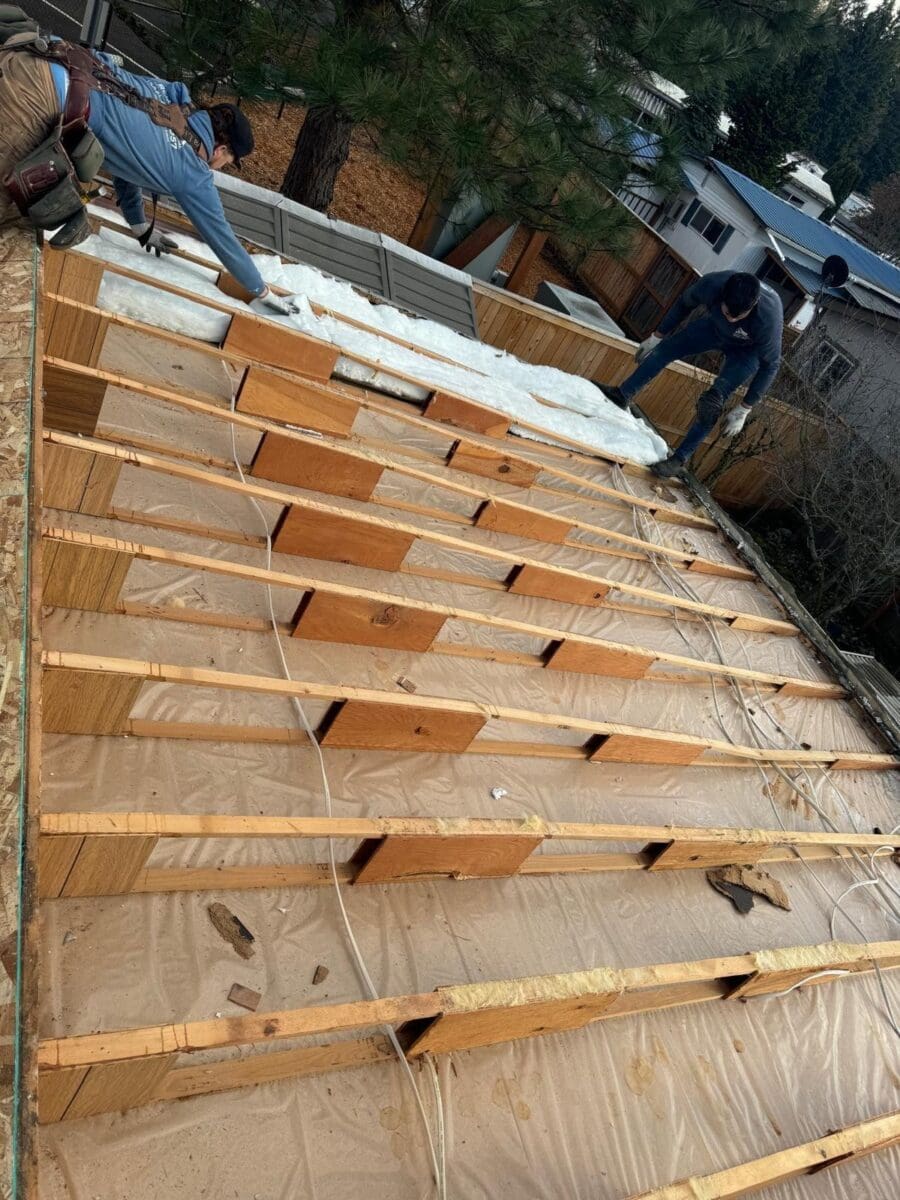
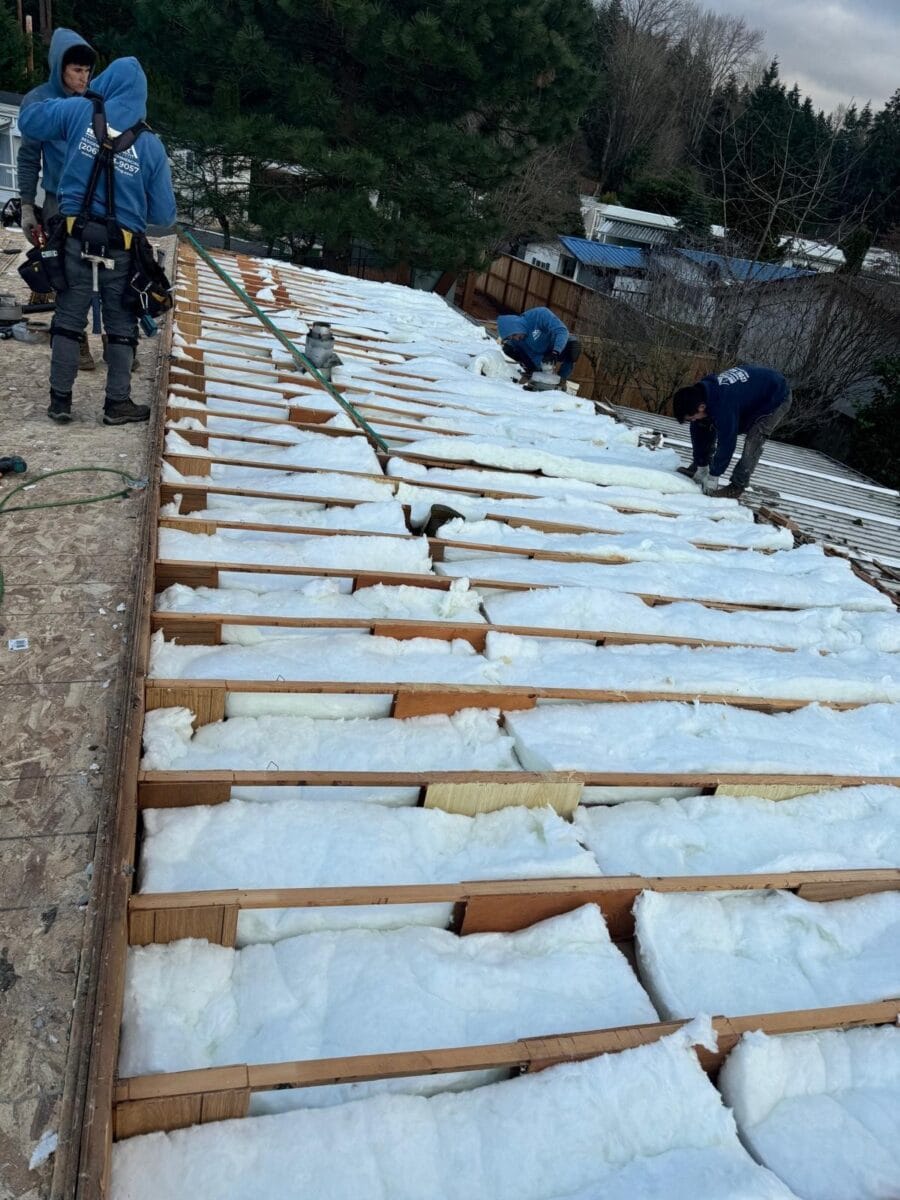
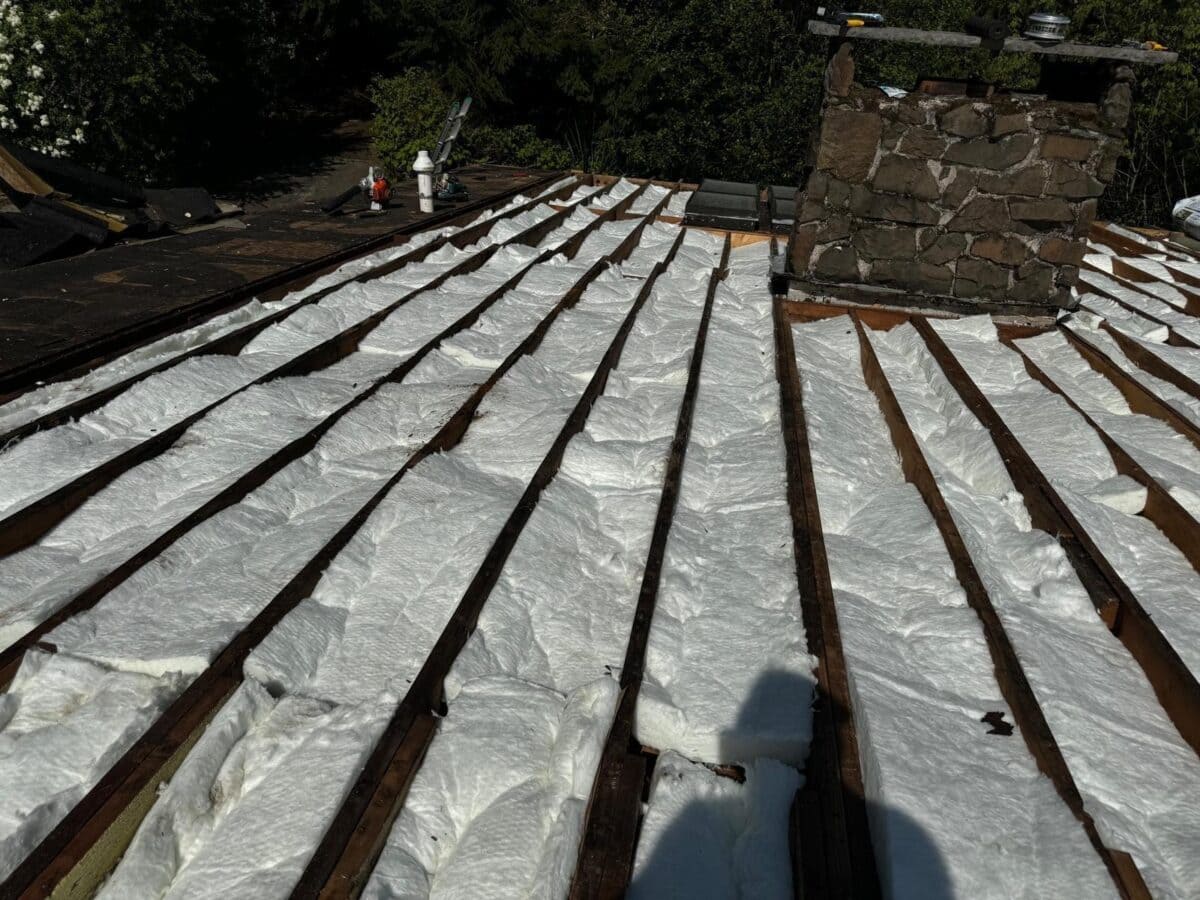
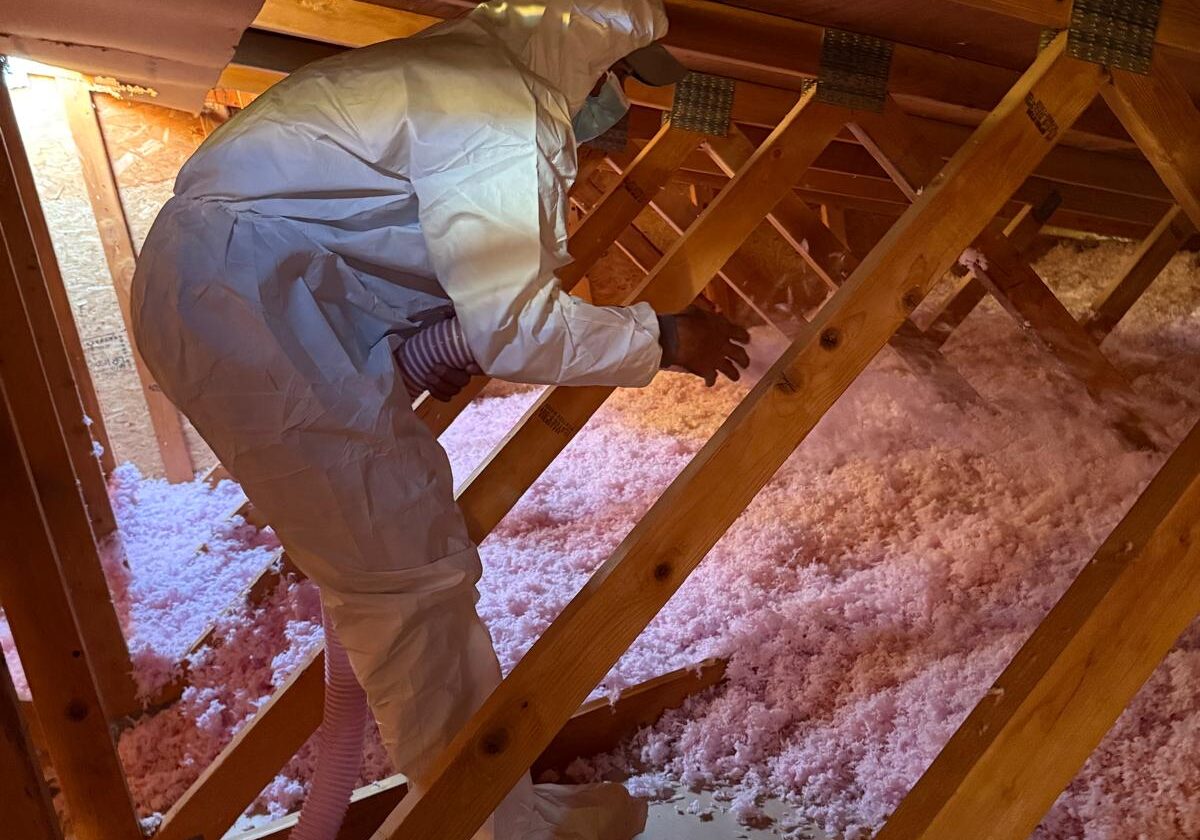
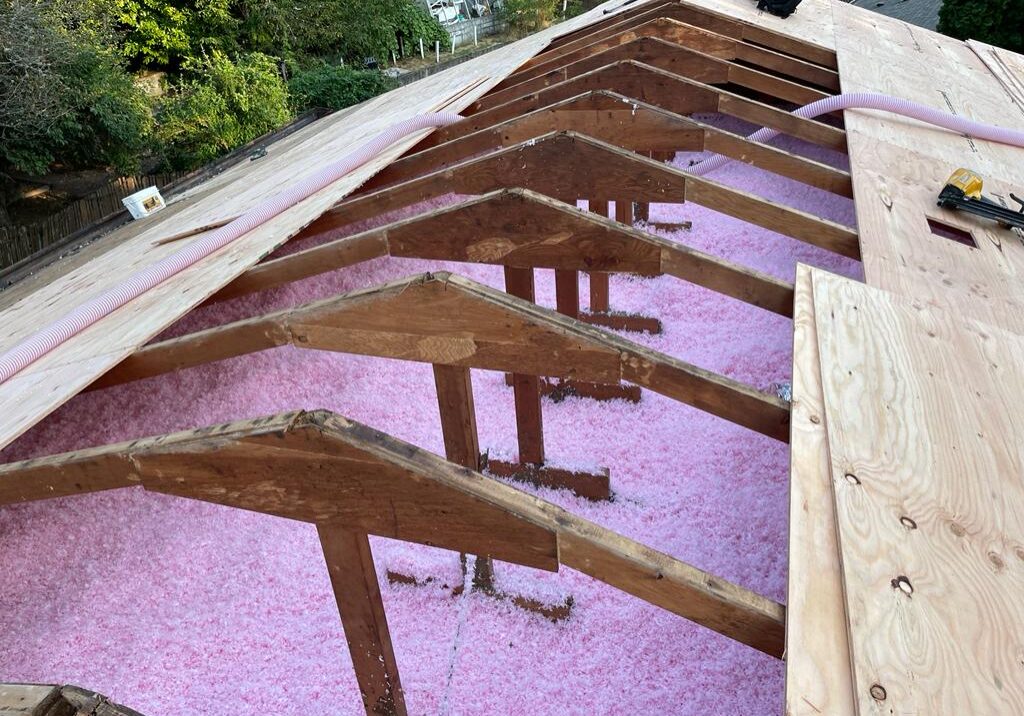
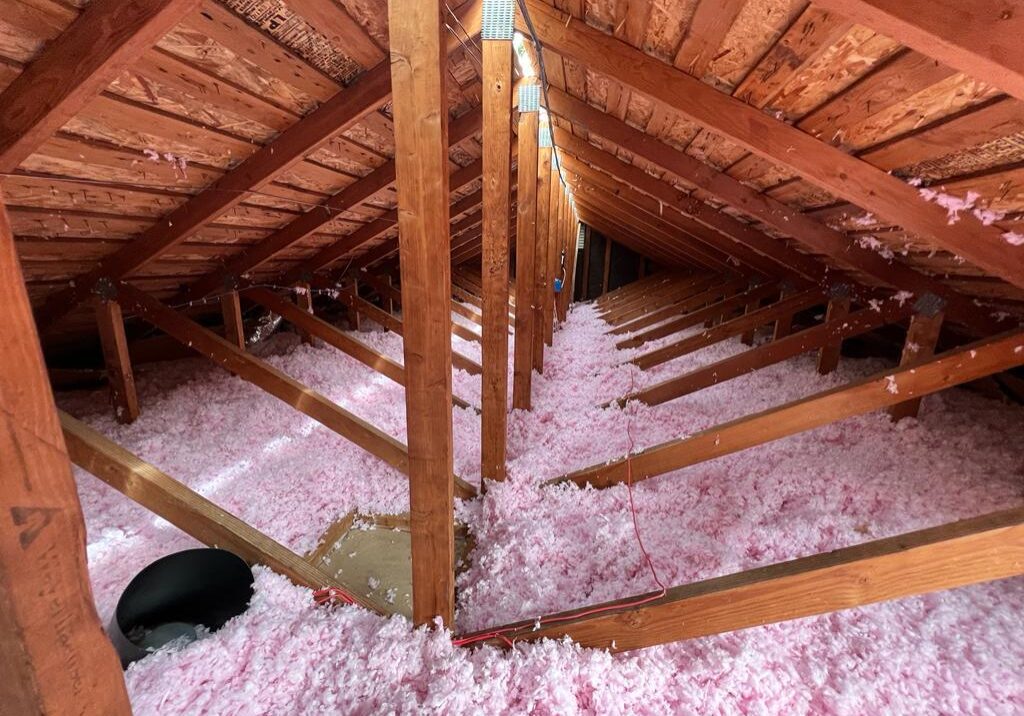
A well-insulated home is more comfortable, energy-efficient, and protected year-round. At Red Rock Roofing & Construction, we provide professional insulation services that help lower energy bills, improve airflow, and extend the life of your roof system. Before any work begins, we make sure your attic is clean, clear, and ready for installation. From there, we install blown-in insulation for consistent coverage, along with rolled insulation baffles and bird blocks to keep proper ventilation in place.
Our goal is to create an insulation system that keeps your home warmer in the winter, cooler in the summer, and healthier overall by allowing your roof and attic to breathe properly. With Red Rock Roofing, you can trust that every step is handled with care, from prep to clean-up, so your home stays protected and comfortable for years to come.
Insulation Services We Offer
We specialize in providing top-quality insulation services designed to enhance your home’s energy efficiency and comfort.


What to Expect During Your Insulation Services
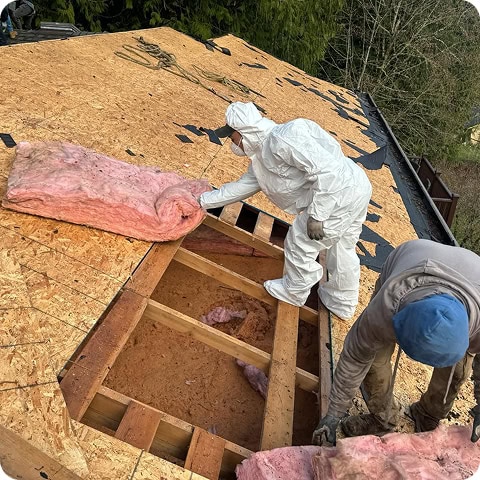
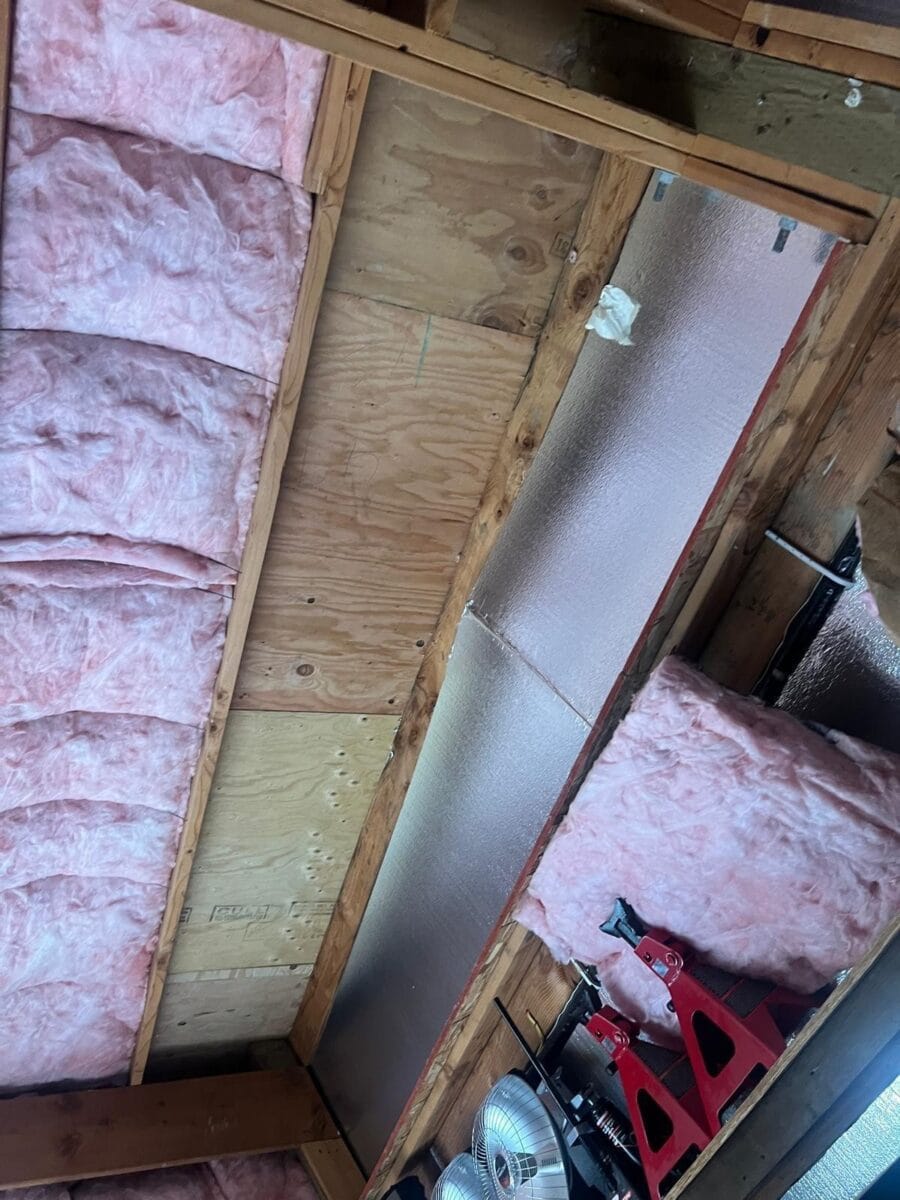
Insulation work depends on your home and the material selected. We remove debris or compromised insulation, inspect the attic or walls, and seal air leaks first. Then we install proper baffles and vapor barriers as needed, add new insulation to the target R-value (blown-in, batts, or spray foam), and ensure ventilation stays clear. We finish with a quick clean-up and verification of coverage.

Consultation
Our consultation starts with an inspection, followed by a review of findings, recommended solutions, and a detailed estimate with materials and timelines.

Proposal
After the inspection, we’ll provide a detailed proposal with scope, materials, timeline, costs, and warranty, then review it with you and answer any questions before moving forward.

Contract
We’ll review the work, materials, timeline, and cost, then finalize a contract. The project begins with regular updates, and after completion, we provide warranties and follow-up services as needed.

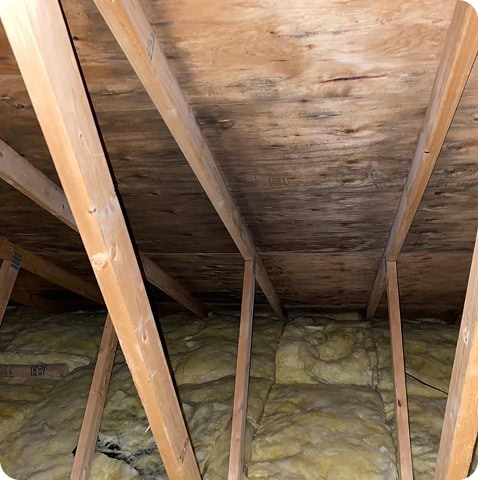
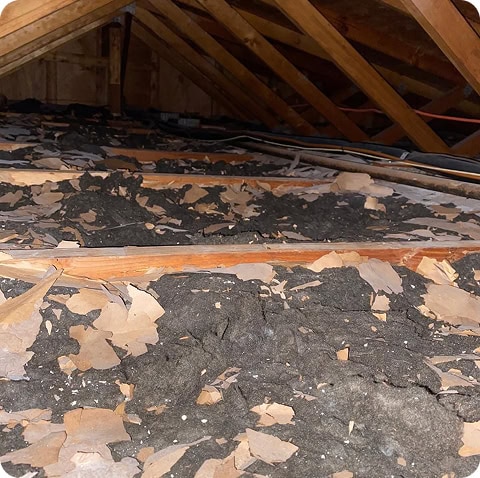
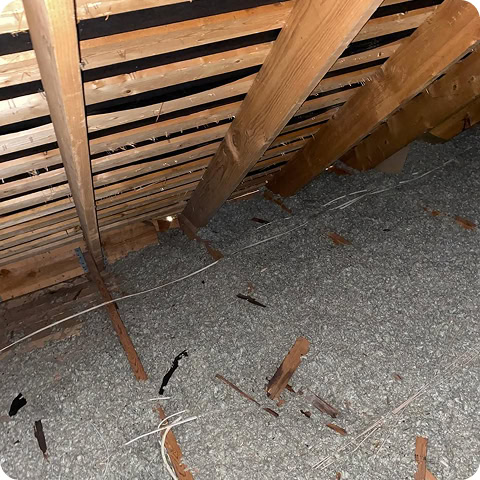
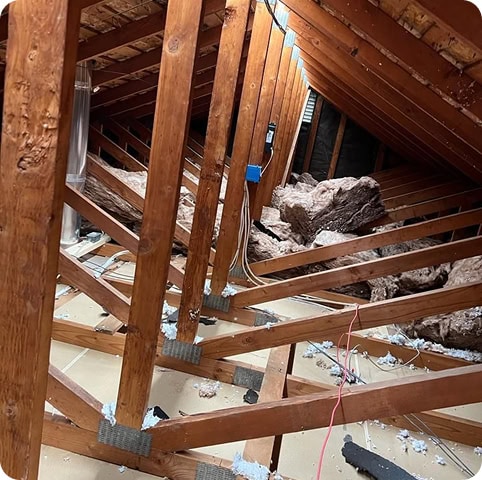

Insulation Highlights
Frequently Asked Questions
There isn’t a fixed “expiration date.” Consider an upgrade if you notice:
- Uneven temps in rooms or rising energy bills
- Visible issues: wet/damp insulation, moldy smell, pest contamination, or insulation that’s matted/settled well below joist height
- Ice dams in winter or hot ceilings in summer
- Roof leaks or recent repairs that got insulation wet
Also check depth vs. recommended R-value. In the PNW, many homes target about R-49 to R-60 in the attic. If you’re low, topping up helps.
Color isn’t a performance factor.
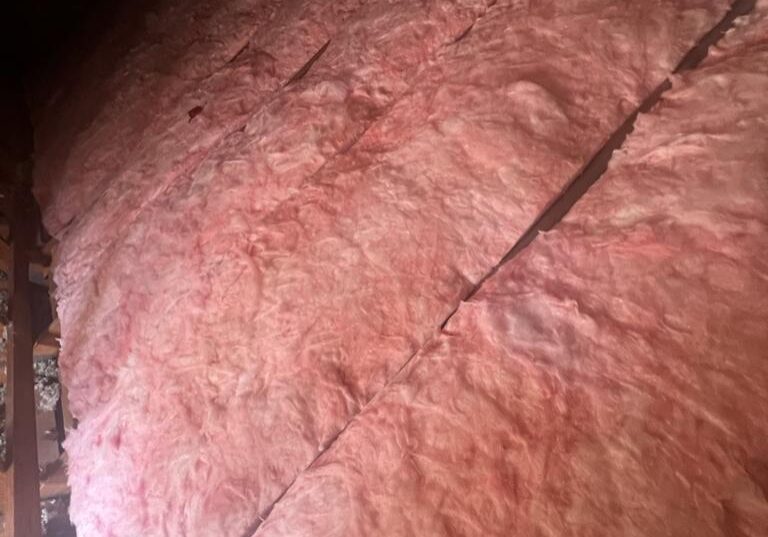
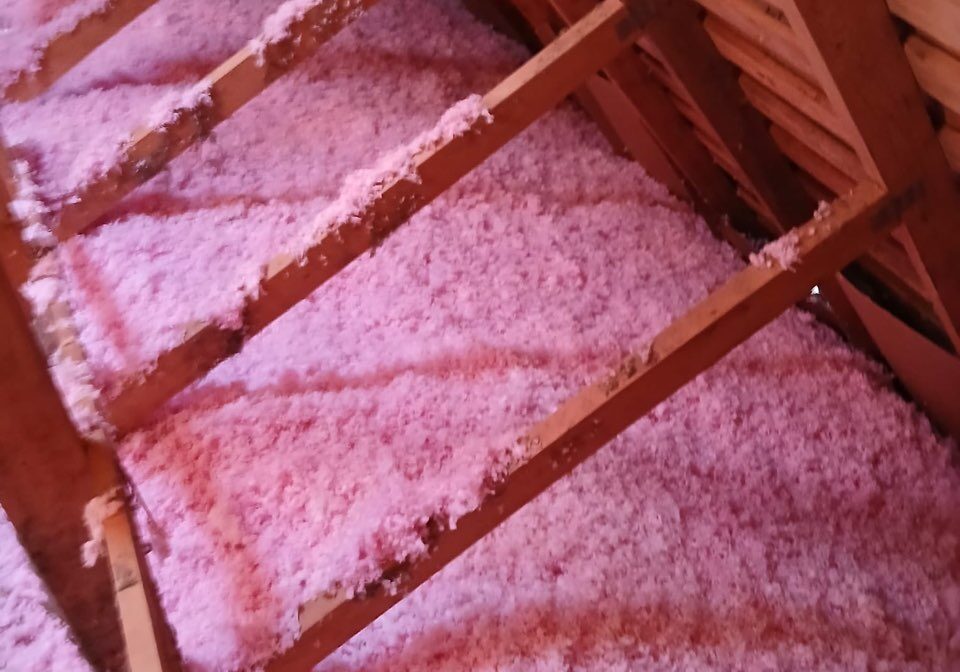
- Fiberglass can be pink, yellow, or white; cellulose is usually gray; mineral wool is off-white/greenish.
Focus on type, depth (R-value), and condition. Dark “dirty” streaks can indicate air leaks; damp or clumpy spots mean moisture problems to fix before adding more.
Not always—but it’s the perfect time to evaluate. If insulation is dry, clean, and already near the target R-value, you can often keep it and add more on top. Replace any wet/contaminated sections. While you’re at it, we like to:
- Air-seal ceiling penetrations (lights, vents, pipes)
- Add baffles at eaves to keep soffit vents clear
- Verify balanced attic ventilation (intake + exhaust)
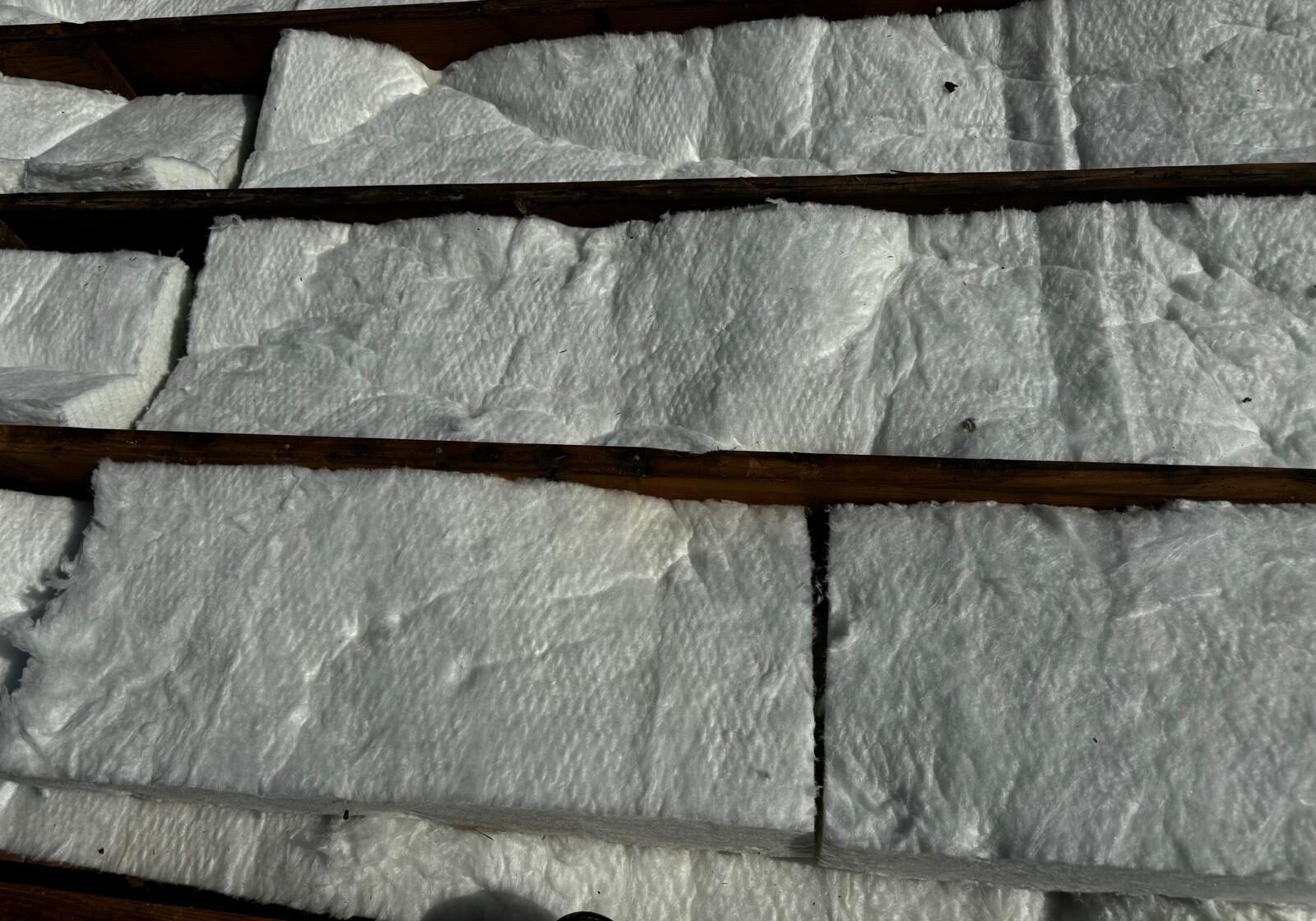
- Rolled/Batt (fiberglass or mineral wool): Pre-cut pieces that fit between joists; great for uniform framing and DIY. Must be installed without gaps or compression.
- Blown-in (fiberglass or cellulose): Loose fill that blankets irregular areas and gets around wiring/obstacles—often the best choice for attic top-ups. Installed with a machine for even coverage.
Either can perform well when installed to the right R-value with good air-sealing.
R-value = resistance to heat flow. Higher R means better insulation, more comfort, and lower bills. You can combine layers to reach your goal; just avoid compressing batts (compression reduces R). Local codes vary, but many PNW attics do well at R-49 to R-60. We’ll measure your existing levels and recommend the simplest path to hit target.
Excellence with a Personal Touch
Local and Puget Sound owned, serving families from Marysville to DuPont and west to Bremerton. Neighbors choose us because we keep our word. Get the roof you need now with clear pricing, honest guidance, and flexible monthly payments through our financing partners.